Industrial Safety Measures When Handling Urea Pumps
Industry Background and Market Demand
Urea pumps are critical components in selective catalytic reduction (SCR) systems, which reduce nitrogen oxide (NOx) emissions in diesel engines. With stringent environmental regulations—such as Euro VI and EPA Tier 4 standards—demand for reliable urea dosing systems has surged across automotive, marine, and industrial sectors.
The global market for urea pumps is projected to grow steadily, driven by increasing adoption of SCR technology in commercial vehicles and power generation. However, improper handling of urea (also known as AdBlue or DEF) can lead to equipment failure, safety hazards, and regulatory non-compliance. Thus, implementing robust industrial safety measures is essential for operational efficiency and regulatory adherence.
Core Concepts and Key Technologies
Urea pumps are precision-engineered devices designed to deliver a precise dosage of urea solution into the exhaust stream. They must withstand corrosive urea, high temperatures, and mechanical stress. Key technologies include:
- Dosing Accuracy: Advanced solenoid or piezoelectric injectors ensure precise urea metering.
- Material Compatibility: Stainless steel, specialized plastics, and elastomers resist urea crystallization and corrosion.
- Thermal Management: Integrated heating elements prevent urea freezing in cold climates.
Product Structure, Performance, and Manufacturing
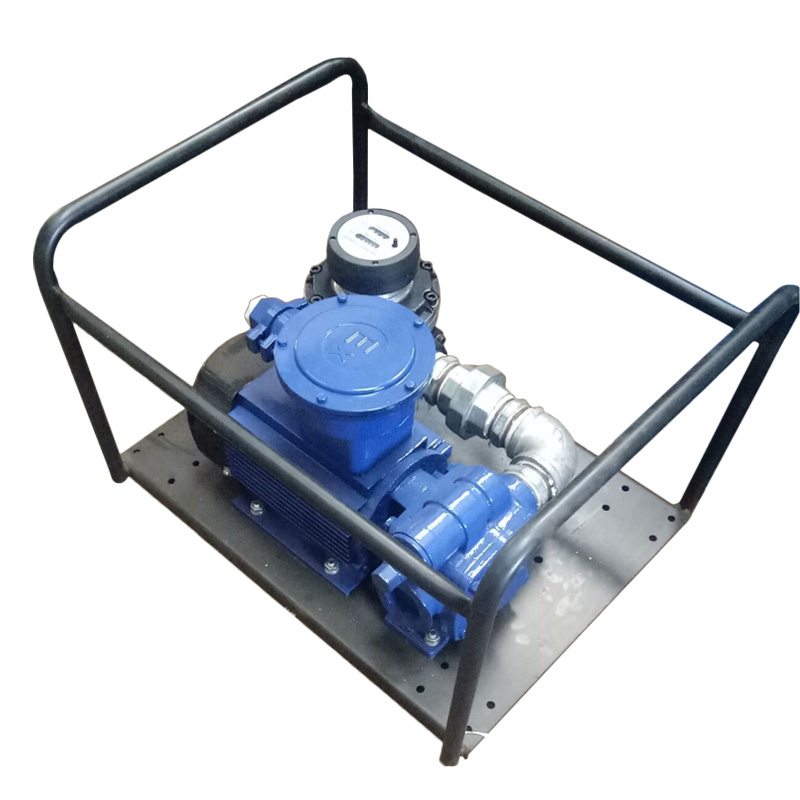
A typical urea pump consists of:
- Pump Unit: Delivers urea at high pressure (5–9 bar).
- Control Module: Regulates dosing based on engine parameters.
- Filtration System: Prevents clogging from urea impurities.
- Heating System: Ensures fluidity in sub-zero conditions.
Manufacturing involves high-precision CNC machining, corrosion-resistant coatings, and rigorous testing for leaks and durability. Suppliers often use PPS (polyphenylene sulfide) or PTFE (polytetrafluoroethylene) for seals due to their chemical resistance.
Critical Factors Affecting Performance and Quality
Several factors influence urea pump reliability:
1. Fluid Purity: Contaminants in urea solution cause crystallization, leading to pump failure.
2. Operating Temperature: Extreme cold or heat affects viscosity and dosing accuracy.
3. Maintenance Practices: Regular flushing prevents urea deposits.
4. Material Degradation: Incompatible materials corrode over time, reducing lifespan.
Supplier Selection and Supply Chain Considerations
Choosing a reliable urea pump supplier requires evaluating:
- Certifications: ISO 9001, IATF 16949 (automotive quality standards).
- Material Traceability: Documentation of corrosion-resistant alloys and polymers.
- Testing Protocols: Pressure cycling, thermal shock, and endurance testing.
- After-Sales Support: Availability of spare parts and technical assistance.
Leading suppliers include Bosch, Continental, and Denso, which provide OEM-grade solutions with extended warranties.
Common Challenges and Industry Pain Points
1. Crystallization: Urea deposits clog nozzles and filters, requiring frequent cleaning.
2. Corrosion: Improper material selection leads to premature failure.
3. Cold Weather Operation: Without heating, urea freezes, disrupting SCR function.
4. Compatibility Issues: Non-OEM pumps may not integrate seamlessly with engine control units.
Applications and Case Studies
1. Heavy-Duty Trucking
A European logistics firm reduced NOx emissions by 80% after upgrading to heated urea pumps, ensuring reliable operation in Scandinavian winters.
2. Marine Engines
A shipbuilder integrated dual-redundant urea pumps to prevent dosing failures during long voyages, complying with IMO Tier III regulations.
3. Power Plants
A gas turbine facility adopted corrosion-resistant urea pumps, reducing maintenance downtime by 30%.
Current Trends and Future Developments
- Smart Pumps: IoT-enabled urea pumps with real-time diagnostics for predictive maintenance.
- Alternative Reductants: Research into non-urea-based NOx reduction methods.
- Modular Designs: Easier retrofitting for older engines.
- Sustainable Manufacturing: Recyclable materials and reduced energy consumption in production.
FAQs
Q: How often should urea pumps be inspected?
A: Monthly visual checks and quarterly pressure tests are recommended, with full servicing every 12 months.
Q: Can water be used to clean urea deposits?
A: No—deionized water is required to prevent mineral buildup.
Q: What is the typical lifespan of a urea pump?
A: 5–7 years with proper maintenance, depending on operating conditions.
Conclusion
Handling urea pumps safely requires a combination of high-quality materials, precise engineering, and proactive maintenance. As environmental regulations tighten, manufacturers must prioritize durability, efficiency, and smart monitoring to meet industry demands. By adhering to best practices, businesses can ensure compliance, reduce downtime, and extend equipment lifespan.

 Pусский
 ???????
 中文
中文







 Phone
Phone
Comment
(0)