liquefied gas pump Safety Guidelines for Industrial Use
Industry Background and Market Demand
The industrial use of liquefied gas pumps is crucial across various sectors, including chemical processing, energy production, and pharmaceuticals. As global industries continue to expand and innovate, the demand for safe and efficient transfer of liquefied gases has seen a significant rise. This demand fuels the need for advanced pump systems that can handle these hazardous materials with precision and reliability. Given the potential risks associated with mishandling liquefied gases, adherence to strict safety guidelines is paramount. This article explores essential safety guidelines for utilizing liquefied gas pumps in industrial settings.
Core Concepts and Key Technologies
Understanding the core concepts of liquefied gas pumps is essential for maintaining safety. Liquefied gases, such as liquefied natural gas (LNG) and liquefied petroleum gas (LPG), require pumps that can manage their volatile nature. These pumps operate by minimizing temperature variations that can lead to gasification and pressure buildup. Key technologies include cryogenic handling capabilities and vapor sealing, which prevent leakages and ensure stable operations.
Cryogenic pumps are specially designed to handle extremely low temperatures, maintaining the gas in its liquid state for effective transport and processing. Advanced sealing technologies provide an additional layer of safety by preventing leakages that could result in explosions or other hazardous situations.
Product Structure, Performance, and Manufacturing Process
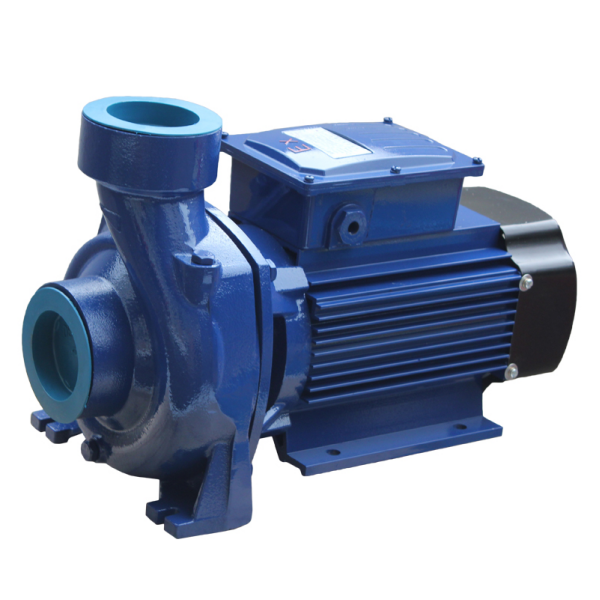
Liquefied gas pumps are complex pieces of equipment designed to meet rigorous industrial standards. Their structure typically includes a robust casing, specialized seals, and impellers capable of withstanding cryogenic temperatures. Materials such as stainless steel and specialized alloys are extensively used due to their ability to resist corrosion and maintain structural integrity under extreme conditions.
The performance of these pumps is determined by their ability to maintain high flow rates and pressures while keeping the gas in a liquid state. The manufacturing process involves precision engineering to ensure each component meets stringent quality and safety standards. This includes extensive testing for durability, efficiency, and compatibility with various liquefied gases.
Key Factors Affecting Quality and Performance
Several factors influence the quality and performance of liquefied gas pumps. These include:
- Material Quality: High-grade materials ensure longevity and resistance to environmental and chemical stresses.
- Design Precision: The design must support efficient thermal management to prevent vapor lock and other gasification-related issues.
- Sealing Technology: Effective seals are crucial for preventing leaks and maintaining pressure stability.
- Maintenance Protocols: Regular maintenance is essential to ensure pumps operate safely and efficiently, with checks on wear-and-tear and system integrity.
Supply Chain and Supplier Selection Standards
Choosing the right supplier for liquefied gas pumps is a critical decision that impacts safety and efficiency. Suppliers should be evaluated based on:
- Compliance with Industry Standards: Suppliers must adhere to international safety and quality standards, such as ISO 9001 or ASME certifications.
- Technological Expertise: A supplier should demonstrate proficiency in advanced technologies relevant to cryogenic pumping.
- Proven Track Record: Consider suppliers with a history of reliable performance and positive client testimonials.
- Comprehensive Support Services: This includes maintenance, training, and emergency support.
Common Issues and Industry Challenges
Despite advances in technology, the industry faces several persistent challenges. Among them:
- Vapor Lock: This occurs when gasification leads to pump failure, necessitating robust designs to mitigate.
- Seal Deterioration: Over time, seals may degrade, leading to leaks. Regular inspections and updates to sealing technology are key preventative measures.
- Temperature Extremes: Efficient thermal management systems must be in place to handle the low temperatures without component failure.
Application Scenarios and Industry Use Cases
Liquefied gas pumps serve critical roles in various industrial applications:
- Chemical Processing: Used to transport and manage hazardous materials in a controlled manner.
- Energy Sector: Essential in LNG facilities for transporting natural gas through pipelines.
- Pharmaceutical Industry: Utilized in manufacturing processes that require precise temperature and pressure controls.
In these settings, adherence to safety regulations ensures smooth operations and minimizes risks associated with liquefied gas handling.
Current Trends and Future Directions
The future of liquefied gas pumps lies in further advancements in automation and smart technologies. Trends indicate a shift towards integrating IoT solutions for real-time monitoring and predictive maintenance, which can drastically reduce downtime and enhance safety. Furthermore, the push for sustainability is driving innovations in pump designs that improve energy efficiency and reduce emissions.
With ongoing research and development, the industry is poised to see pumps that not only exceed current safety standards but also offer enhanced operational efficiencies.
FAQ / Common Questions
Q: What are the risks of not following safety guidelines for liquefied gas pumps?
A: Not adhering to safety guidelines can lead to gas leaks, explosions, and other hazardous events, endangering both personnel and equipment.
Q: How often should liquefied gas pumps be maintained?
A: Regular maintenance should be conducted according to manufacturer specifications, typically every few months, to ensure optimal performance and safety.
Q: What technological advancements are impacting the industry?
A: Developments in IoT, advanced sealing technologies, and energy-efficient designs are significantly enhancing the safety and efficiency of liquefied gas pumps.
In conclusion, ensuring the safe and efficient use of liquefied gas pumps in industrial applications is a multi-faceted challenge. By understanding core concepts, adhering to stringent quality standards, and staying abreast of technological advancements, industries can effectively mitigate risks associated with handling these volatile materials.

 Pусский
 ???????
 中文
中文







 Phone
Phone
Comment
(0)